
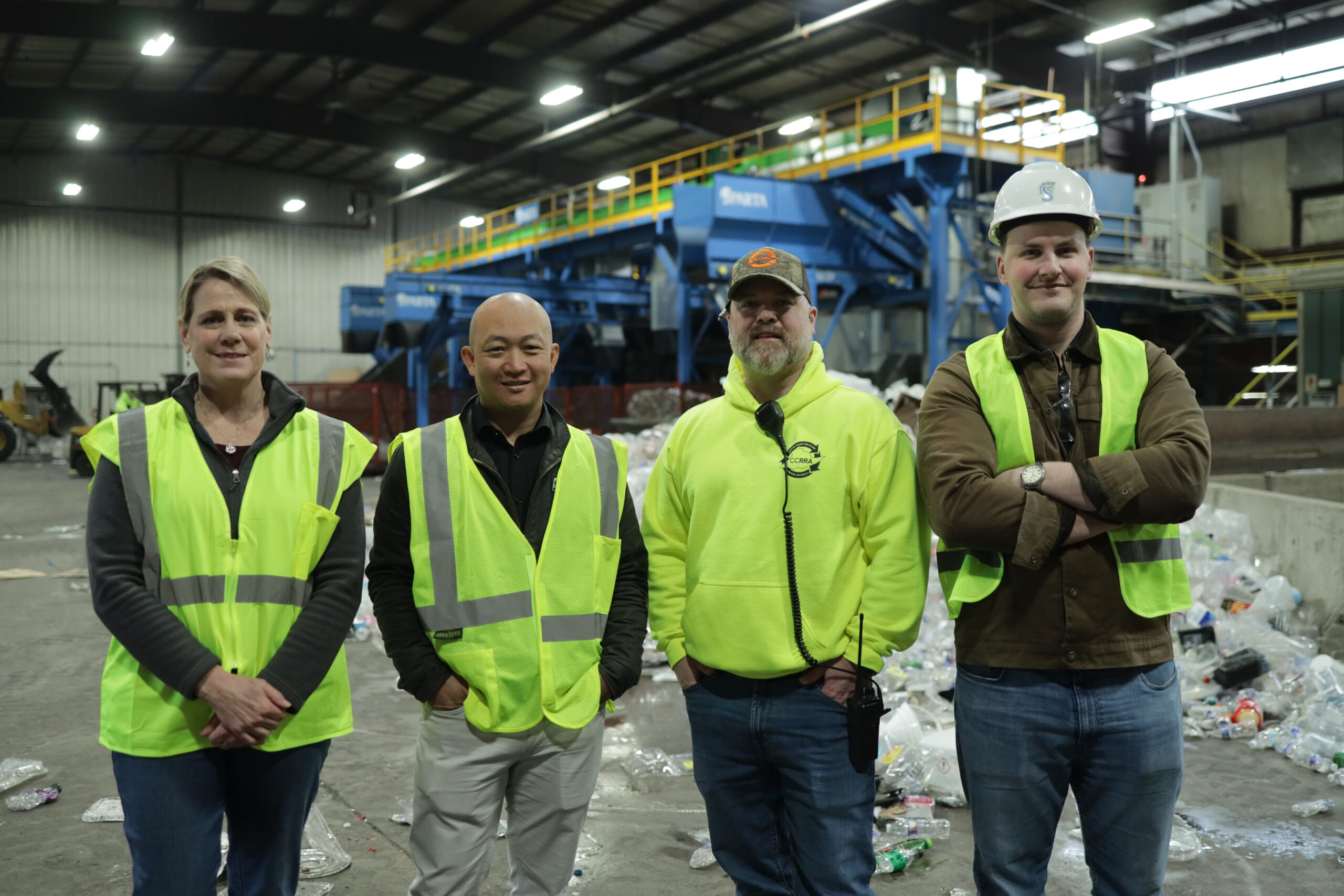
How Centre County is evolving to meet modern recycling demands
In Centre County, PA, recycling isn’t a static operation – it’s a constantly shifting system shaped by population changes, evolving materials, and rising expectations and needs.
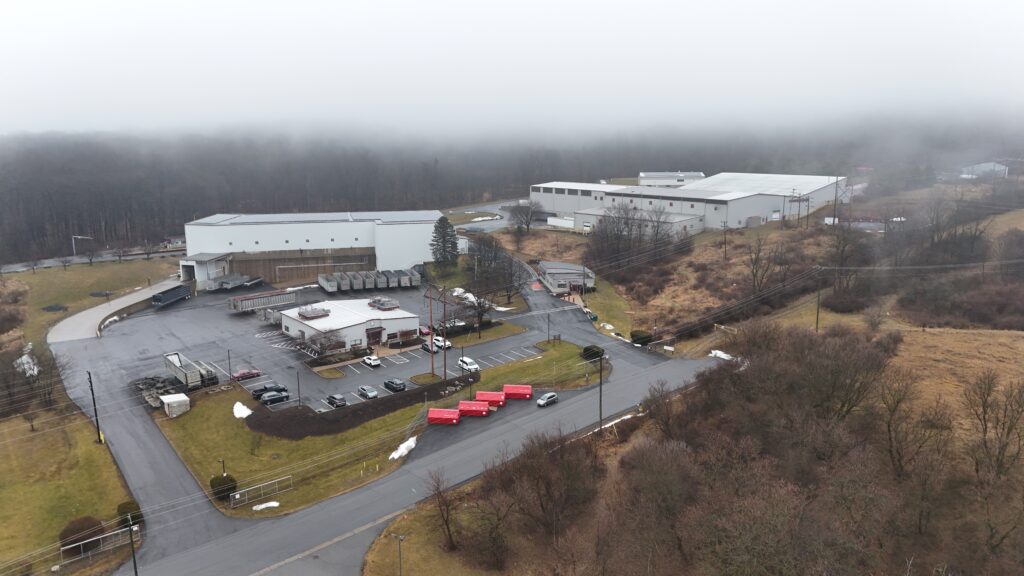
Located alongside the main campus of Penn State University, the Centre County Recycling & Refuse Authority (CCRRA) serves a population of roughly 158,000 residents.
Layered on top of that is a transient student population of approximately 50,000, cycling in and out throughout the year. The result is a uniquely dynamic waste stream – one defined by variability, volume fluctuations, and inconsistent recycling behaviors.
This environment creates pressure on every part of the system – from collection to sorting to overall operational efficiency.
The Challenge: Variability at Scale
For CCRRA, the challenge isn’t simply processing waste – it’s managing inconsistency at scale.
Students arriving from different regions bring varying recycling habits and expectations. Materials entering the system differ not just in type, but in how they’re sorted (or not sorted) before collection. At the same time, broader industry shifts – particularly changes in packaging and plastics – have introduced new complexities into material recovery.
Historically, much of CCRRA’s recycling operation relied heavily on manual sorting. Whether at the curb or along facility conveyor belts, staff played a central role in identifying and separating materials like aluminum, fiber, and select plastics.
While effective, this approach presented limitations:
• Labor-intensive process
• Increased throughput needs during peak periods
• Increased operational strain amid growing material diversity
Compounding the issue, the Authority’s collection fleet – originally developed in the late 1980s when recycling was first mandated across parts of the state – was no longer aligned with modern material streams.
Compartmentalized collection systems led to inefficiencies, including mid-route unloading and increased travel time.
In short, the system was working – but it wasn’t optimized for today’s demands.
The Shift: From Manual to Augmented Systems
Recognizing the need to modernize, CCRRA set out to supplement manual sorting while improving overall efficiency and recovery. The solution wasn’t about replacing people – it was about enhancing the system.
Partnering with Sparta Manufacturing and Alchemy Systems, CCRRA implemented an integrated, AI-driven Sparta-Alchemy sorting solution designed to complement and elevate their existing operations. Unlike standalone technologies, the system required full integration into the facility’s workflow – from upstream material handling to downstream processing.
Sparta, Alchemy, and the CCRRA team closely collaborated to develop a Sparta engineered and integrated turnkey system upgrade solution that aligned with CCRRA’s operational goals while maintaining flexibility for future needs.
The Technology: AI-Powered Sorting in Action
At the core of the upgrade is Alchemy’s automated sorting technology, designed specifically for modern recycling environments.
Rather than having individual optical sorters to sort each recylable commodity, the Alchemy system uniquely sorts multiple products in each pass.
Its AI vision system identifies all of the target recyclable materials (including AL cans, PET bottles, HDPE containers etc.) in real time, and ejects each at their respective station.
This Alchemy systems splits CCRRA’s flow into 2 ‘lanes’ for optimized detection and recovery, positively ejects each commodity as well as trash, so that it can recirculate the remaining stream for another pass through the automated portion of the sort line for optimized recovery and purity.
This dual-lane installation is a smarter, more adaptive system – one that responds in real time to changing material conditions.
The Impact: Efficiency Without Disruption
Importantly, this transformation wasn’t about workforce reduction – it was about operational enhancement.
By introducing automation at key points in the process, CCRRA has:
• Increased processing efficiency and system uptime
• Improved material recovery rates
• Created a more scalable infrastructure for future growth
The flexibility of the system also positions CCRRA to adapt as recycling standards, materials, and consumer behaviors continue to evolve.
The Process: Collaboration as a Success Factor
A project of this scale depends as much on collaboration as it does on technology.
Throughout implementation, CCRRA brought together cross-functional teams to review changes, address challenges, and ensure alignment at every stage. This approach enabled faster decision-making and minimized disruptions during installation.
Working alongside Sparta and Alchemy, the project moved from concept to completion through a coordinated, transparent process – resulting in a seamless deployment.
Looking Ahead: Designing for What’s Next
Recycling systems built decades ago were never designed for today’s complexity. As materials change and communities grow, facilities must evolve from static operations into adaptive systems.
Centre County’s approach reflects a broader industry shift:
• From manual processes to intelligent automation
• From fixed systems to flexible infrastructure
• From reactive operations to forward-looking performance
By integrating AI-driven sorting and modern system design, CCRRA hasn’t just improved its current operation – it has positioned itself for the future.
Because in today’s recycling environment, success isn’t defined by keeping up. It’s defined by the ability to adapt, optimize, and continue moving forward – at scale.
Let’s Talk About What’s Next
If your operation is facing increased complexity, evolving material streams, or pressure to improve performance, now is the time to rethink your system.
Connect with Sparta to explore how integrated, scalable solutions can help you reduce inefficiencies, increase recovery, and prepare for the future of recycling.


