

Every October, Circular Economy Month brings attention to a fundamental question: how can we make better use of the resources and materials already in our economy?
The traditional linear model of take, make, use and dispose has long shaped the way products and materials move through society. A circular economy looks at that relationship differently. Instead of allowing valuable resources to reach the end of a linear path, the goal is to keep products and materials in use for as long as possible through strategies such as reduction, reuse, repair, refurbishment, and recycling.
For the recycling industry, this transition highlights an important reality: materials can only be returned to productive use if we have the infrastructure to effectively recover and separate them.
That is where modern recycling and material processing systems play an important role.
What Is a Circular Economy?
A circular economy aims to reduce waste and make better use of existing resources by keeping products and materials circulating within the economy.
This represents a shift away from thinking about discarded materials simply as “waste.” Instead, the question becomes: What value remains in this material, and how can it be recovered?
In practice, there is no single solution. Circularity involves decisions throughout the entire lifecycle of a product, beginning with how it is designed and manufactured.
Reducing unnecessary material use, extending product life, repairing equipment, reusing products and designing for recyclability can all contribute to a more circular system.
Eventually, however, many products and materials reach a point where they can no longer be practically reused or repaired. At that stage, recycling and material recovery become essential tools for keeping valuable resources in circulation.
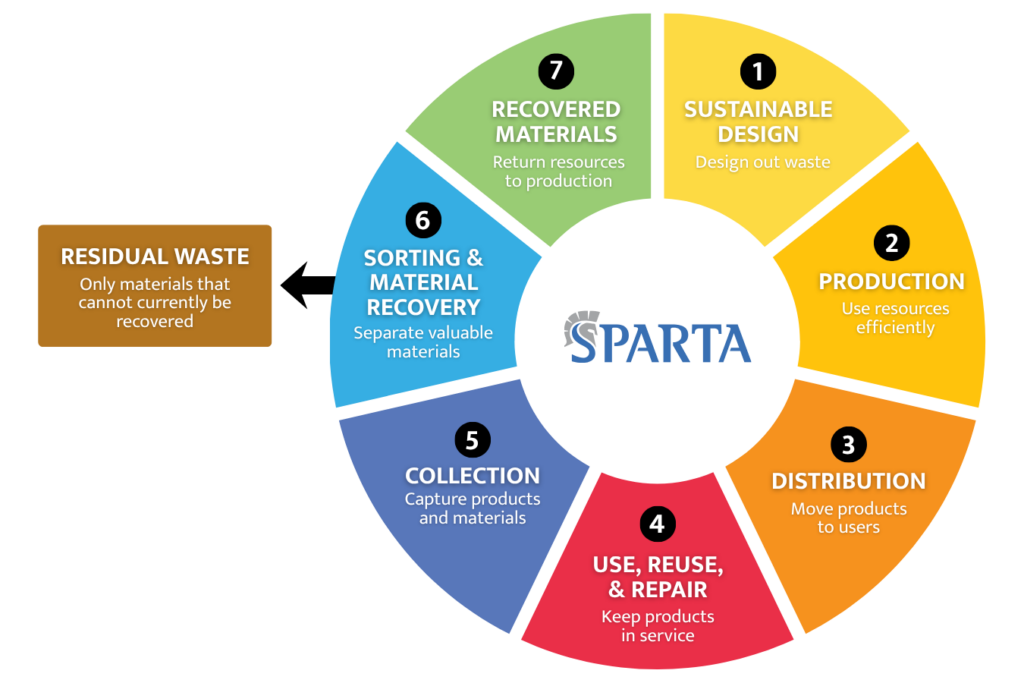
Recycling Is One Part of a Larger Circular System
Recycling is often one of the first things people associate with the circular economy, but it is only one part of a much larger system.
A truly circular approach starts well before material reaches a recycling facility.
Products can be designed to use fewer resources. Materials can be selected with their future recovery in mind. Products can be made more durable, repairable, or reusable. Businesses and consumers can find ways to extend their useful lives.
But once recyclable materials enter the waste stream, another challenge begins:
How do we separate those materials efficiently enough for them to be used again?
Mixed material streams can contain a wide range of commodities, contaminants, sizes, shapes, and densities. Recovering value from those streams requires processes capable of identifying, separating, and preparing materials for their next destination.
Without effective collection, processing, and sorting infrastructure, potentially valuable materials can be lost to residue or disposal.
The Role of Recycling Infrastructure
Modern recycling facilities serve as an important connection between discarded materials and their potential next use.
Depending on the material stream and facility objectives, a recycling system may use a combination of screening, conveying, magnetic separation, optical sorting, air separation and other technologies to separate materials into targeted fractions.
The objective is not simply to move material through a facility – it is to recover the right materials, at the required quality, while maintaining reliable and efficient operations.
Effective recycling infrastructure can help facilities:
- Recover valuable commodities from mixed material streams
- Improve the separation of targeted materials
- Reduce the amount of recoverable material lost to residue
- Produce cleaner and more consistent output streams
- Respond to changing material composition
- Integrate new sorting and automation technologies
- Increase processing efficiency and overall system performance
The better a facility can identify and separate recoverable materials, the greater the opportunity for those resources to move toward another productive use.
Supporting Circularity Across Different Material Streams
The principles of material recovery extend across many areas of the recycling industry.
Single-Stream Recycling
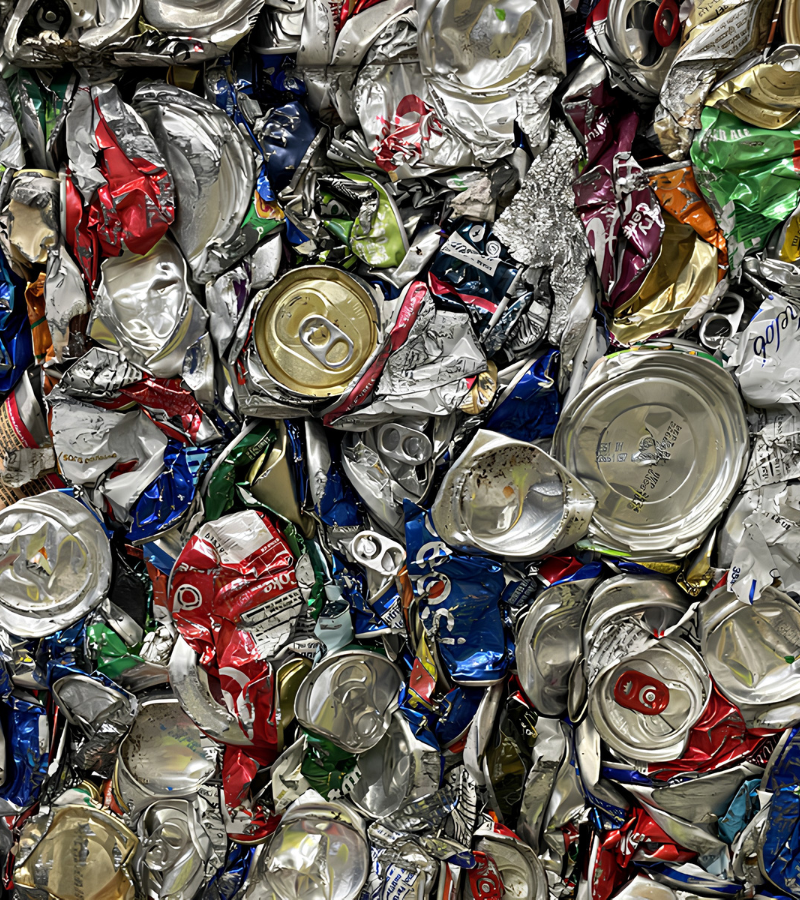
Single-stream recycling makes collection more convenient by allowing multiple recyclable commodities to be collected together.
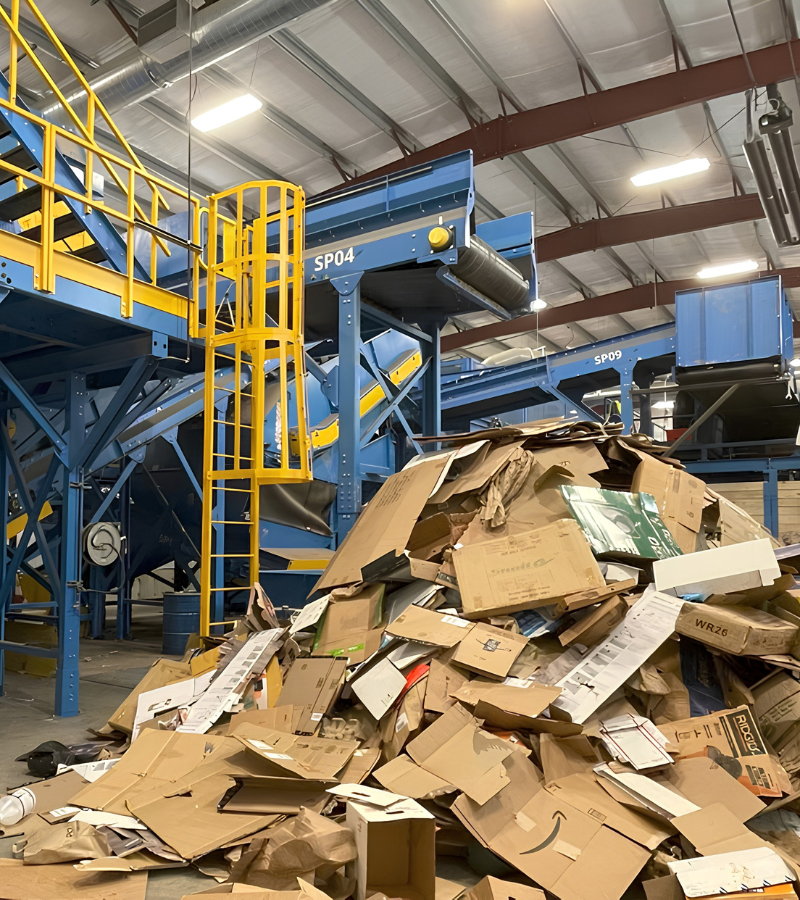
That convenience creates a significant processing challenge at the Material Recovery Facility (MRF).
Paper, cardboard, plastics, aluminum, steel, and other materials must be separated from a mixed stream into individual commodity fractions.
A well-designed single-stream system combines multiple separation technologies and processes to recover these materials while controlling contamination and maintaining throughput.
As packaging and consumer material streams continue to evolve, these facilities must also be capable of adapting to what arrives on the tipping floor.
Construction and Demolition Recycling
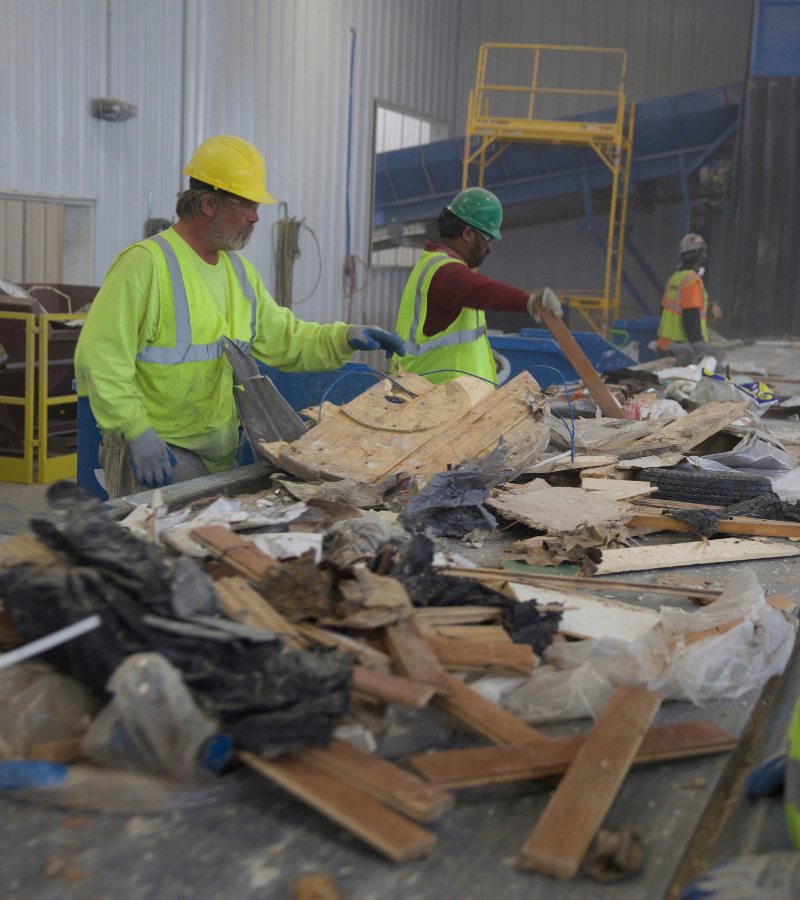
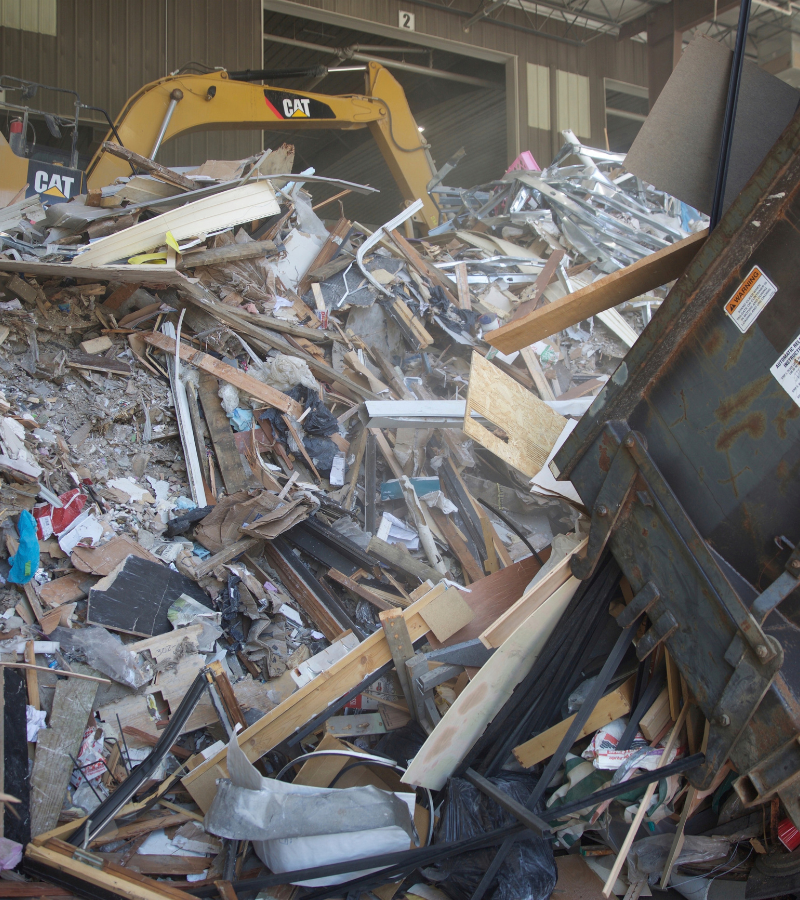
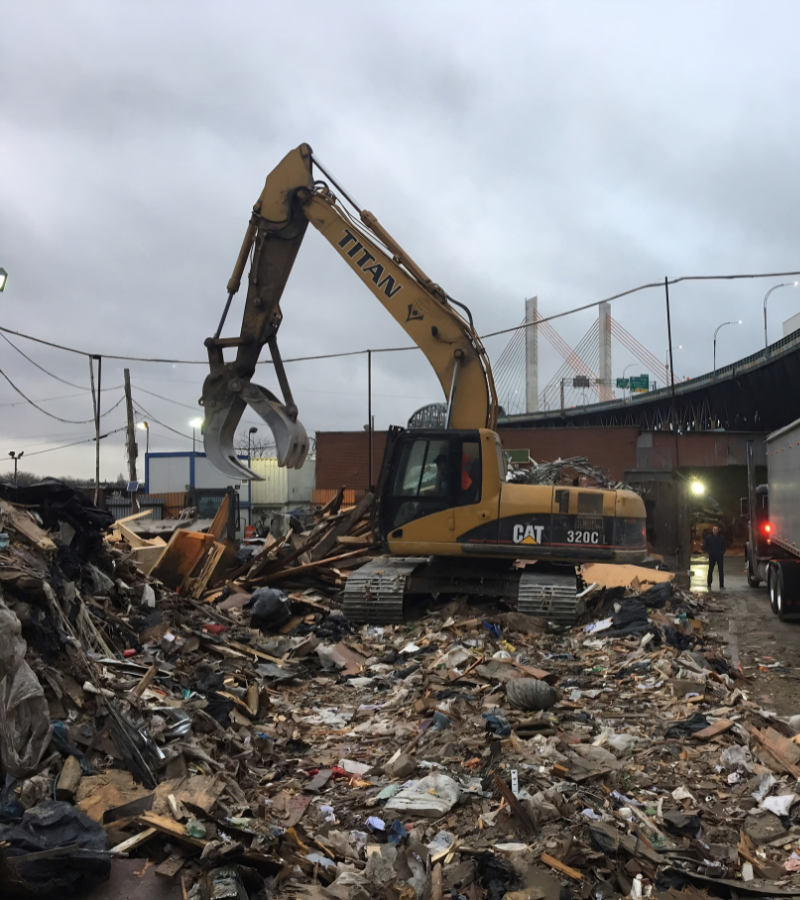
Construction, renovation, and demolition activities generate complex material streams that can contain wood, metals, aggregates, cardboard, and other potentially recoverable materials.
Rather than treating the entire stream as disposal-bound waste, processing systems can be designed to separate targeted materials and create opportunities for recovery.
The challenge is variability.
Construction and demolition material can change significantly from one load to another, making effective material presentation, separation and system design particularly important.
Recovering usable material from these streams can help reduce disposal while keeping resources in productive circulation.
Organics Recycling
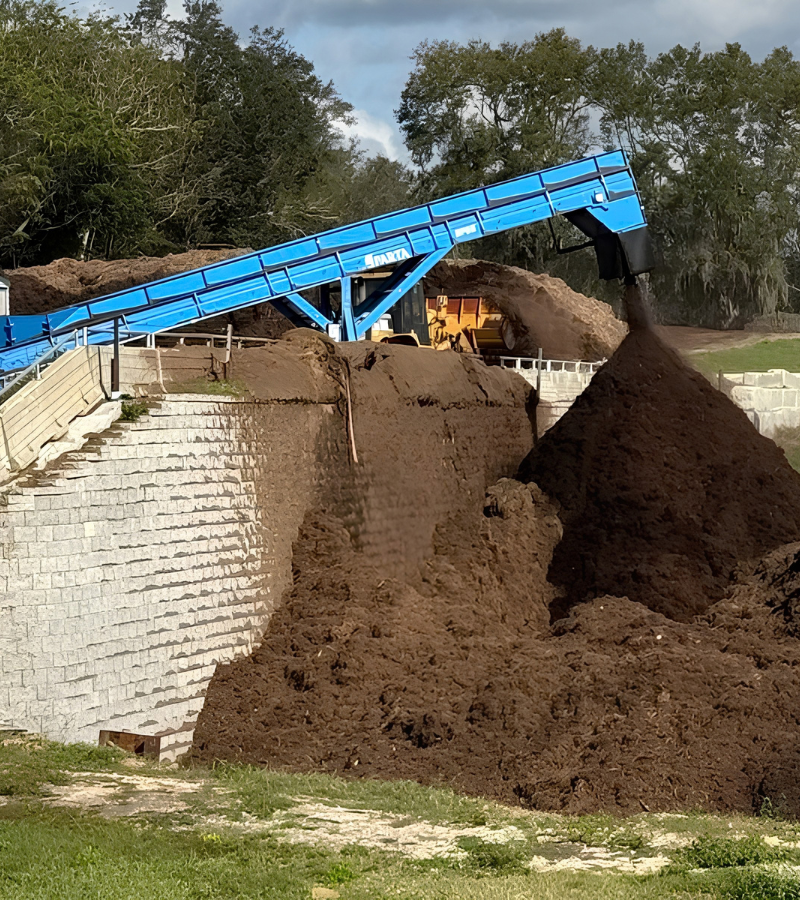
Organic materials, including food scraps, yard waste and other biodegradable materials, represent another opportunity to rethink what we traditionally consider waste. When properly collected and processed, these materials can be directed toward composting, anaerobic digestion and other beneficial uses.
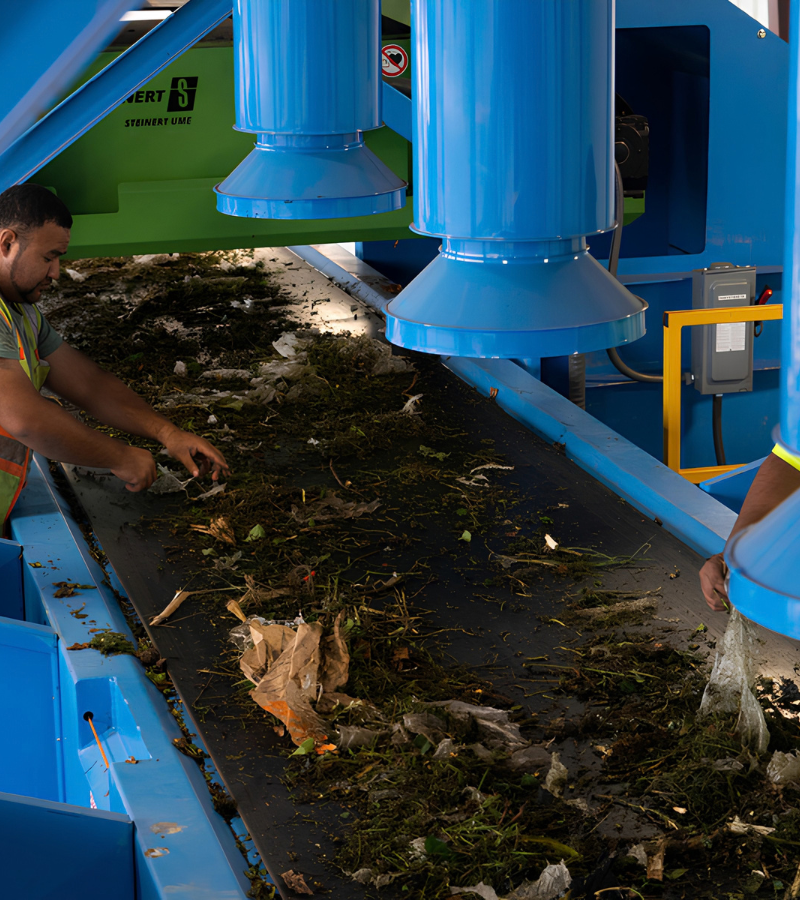
Depending on the application and incoming material stream, organics processing systems can help remove contaminants, control material size and create a more consistent feedstock for downstream processing. This may include separating plastic, metal, packaging and other unwanted materials that can affect the quality of the final output.
Effective processing also helps protect downstream equipment, improve material quality and support more consistent operations. By preparing organic materials for their next productive use, recycling infrastructure can help recover valuable resources, reduce disposal and support a more circular approach to organic waste.

Better Recovery Starts With Better System Design
Installing individual pieces of recycling equipment is only part of the solution.
Performance depends on how the entire system works together.
Material needs to be properly presented to each separation technology. Equipment needs to be selected according to the characteristics of the incoming stream. Conveyors, screens, sorting technologies and other components must operate as an integrated process.
This is why recycling system design begins with understanding the material itself.
Questions such as these become critical:
- What materials are entering the facility?
- What commodities need to be recovered?
- What level of purity is required?
- What throughput does the facility need to achieve?
- Where are valuable materials currently being lost?
- How might the material stream change in the future?
The answers influence everything from equipment selection and layout to automation and future expansion.
The Material Stream Will Continue to Change
One of the biggest challenges facing recycling facilities is that the material stream they process today may not be the material stream they process five or ten years from now.
Packaging formats evolve. Consumer behaviour changes. New materials enter the marketplace. Recovery requirements increase. End-market specifications change. New sorting technologies become available.
A recycling system designed only around today’s conditions can become increasingly difficult to operate as those conditions change.
For this reason, flexibility and scalability are becoming increasingly important considerations in recycling system design.
Facilities may need the ability to adjust equipment, modify sorting strategies, add automation, increase capacity, or target different commodities over the life of the system.
Designing with those possibilities in mind can help protect the facility’s long-term performance while allowing it to respond to an evolving recycling landscape.
Technology Is Expanding What Facilities Can Recover
Recycling technology continues to advance.
Optical sorting systems can identify targeted materials at high speeds. Magnetic separation technologies can recover ferrous metals. Advanced controls can provide operators with greater visibility into equipment and system performance. Artificial intelligence and automation are creating new opportunities to identify materials and improve sorting decisions.
But technology alone does not guarantee better recovery.
The performance of any sorting technology depends heavily on how material reaches it.
Proper material presentation, consistent feed rates, effective screening, and thoughtful system integration all influence the performance of downstream sorting equipment.
As recycling facilities introduce increasingly sophisticated technologies, system-level engineering becomes even more important.
From Waste Management to Resource Recovery
Circular Economy Month provides an opportunity to reconsider how we think about the materials moving through our communities and industries.
A discarded product does not necessarily mean its materials have reached the end of their useful life.
There may still be paper fibre to recover.
Plastic to separate.
Metal to capture.
Wood or aggregate to divert.
Organic material to process.
The challenge is creating systems capable of recovering that value effectively.
For the recycling industry, this means moving beyond simply managing waste and continuing to improve how materials are identified, separated, and prepared for their next use.
Building Recycling Infrastructure for a More Circular Future
At Sparta Manufacturing, we believe recycling infrastructure has an important role to play in supporting a more circular use of resources.
From single-stream and construction and demolition recycling to organics processing, our team works with recycling facilities to understand their material streams, operational challenges and long-term objectives.
By combining system engineering, equipment, automation and material separation technologies, the goal is to help facilities recover more value from the materials they process while building systems capable of adapting as the industry evolves.
Circular Economy Month may take place every October, but improving material recovery is a year-round challenge.
As material streams continue to change, the recycling systems behind them will need to evolve as well.
Learn more about Sparta’s recycling systems and how thoughtful system design can support long-term material recovery and processing performance.


